

 Katharina Frohne
"Data is lifeblood": The NFDI at the Herrenhausen Conference
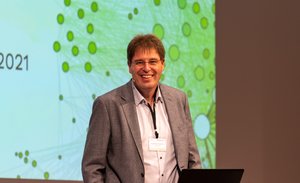
"Heart and soul", "an important part of me", "the children of scientists" – these were the answers given by researchers when asked what their research data meant to them. Emotional statements with which sociologist Eva Barlösius introduced her talk at the Herrenhausen Conference on Datenräume in Deutschland und Europa gestalten on 24 and 25 April 2023.
The researchers' formulations reflected what many speakers at the event also addressed in their contributions: data infrastructures are not only technical, but also social constructs. It is important to involve people inside and outside the consortia, to invite them to participate and to convince them of the relevance and advantages of good research data management.
NFDI in the spotlight
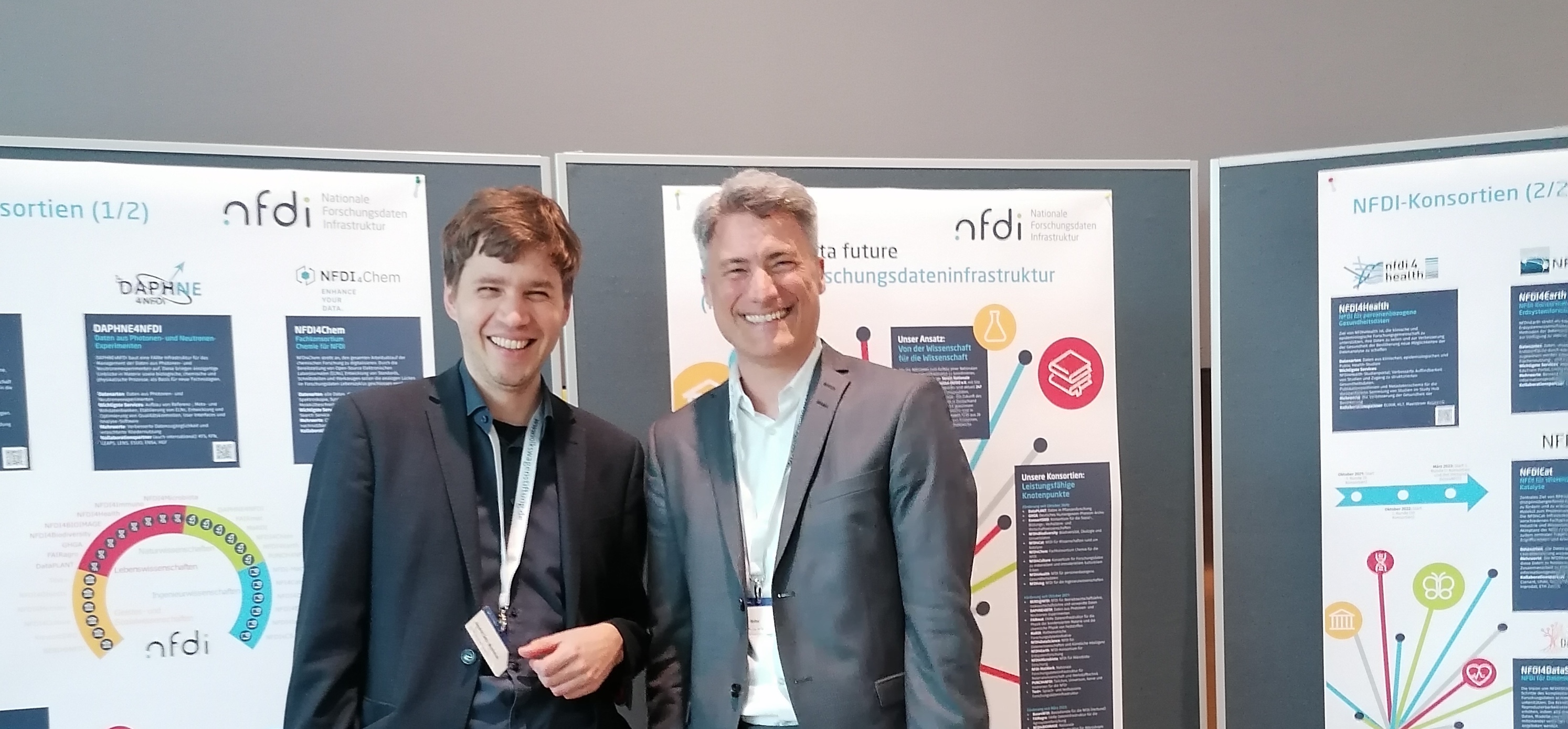
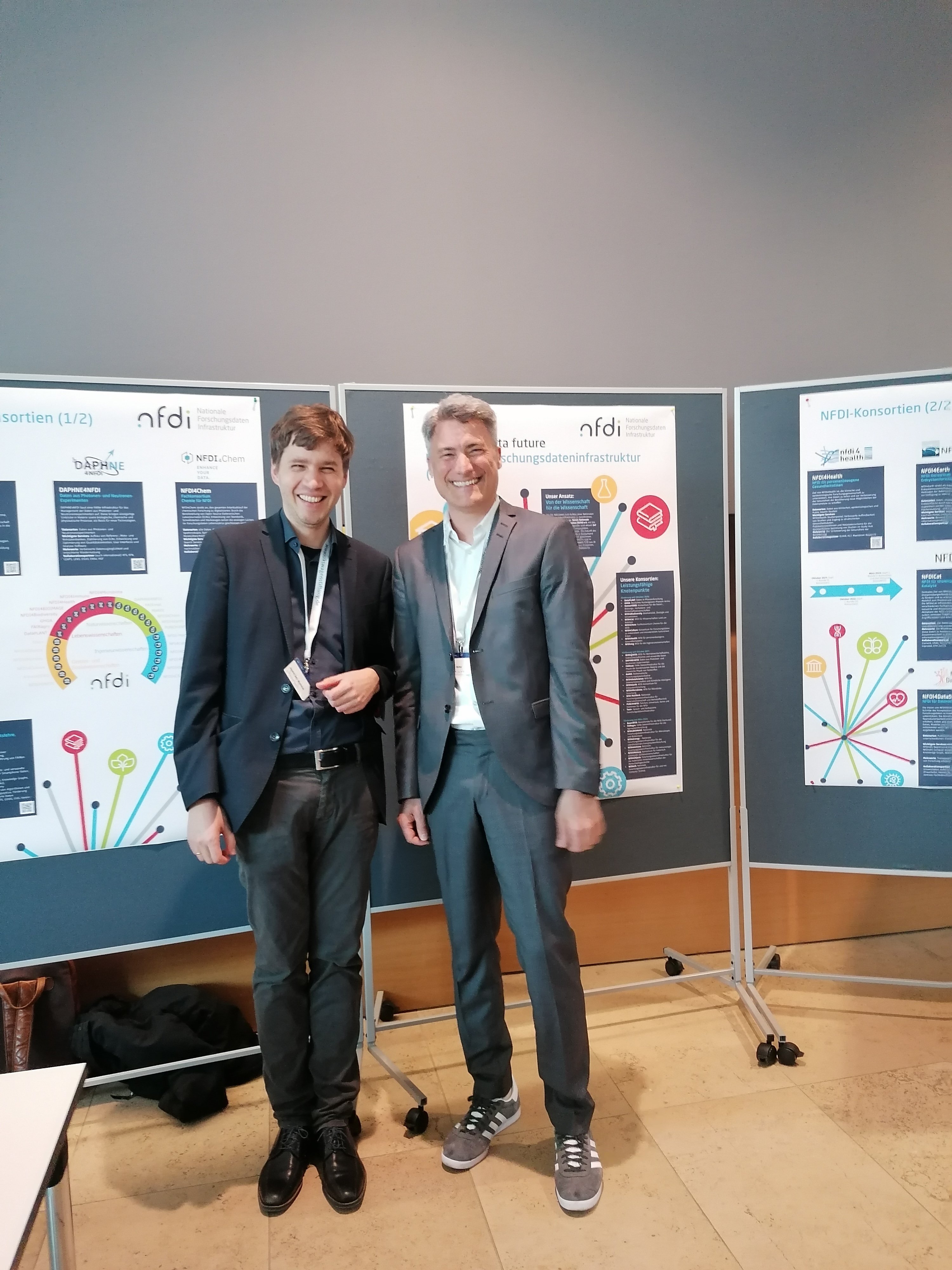
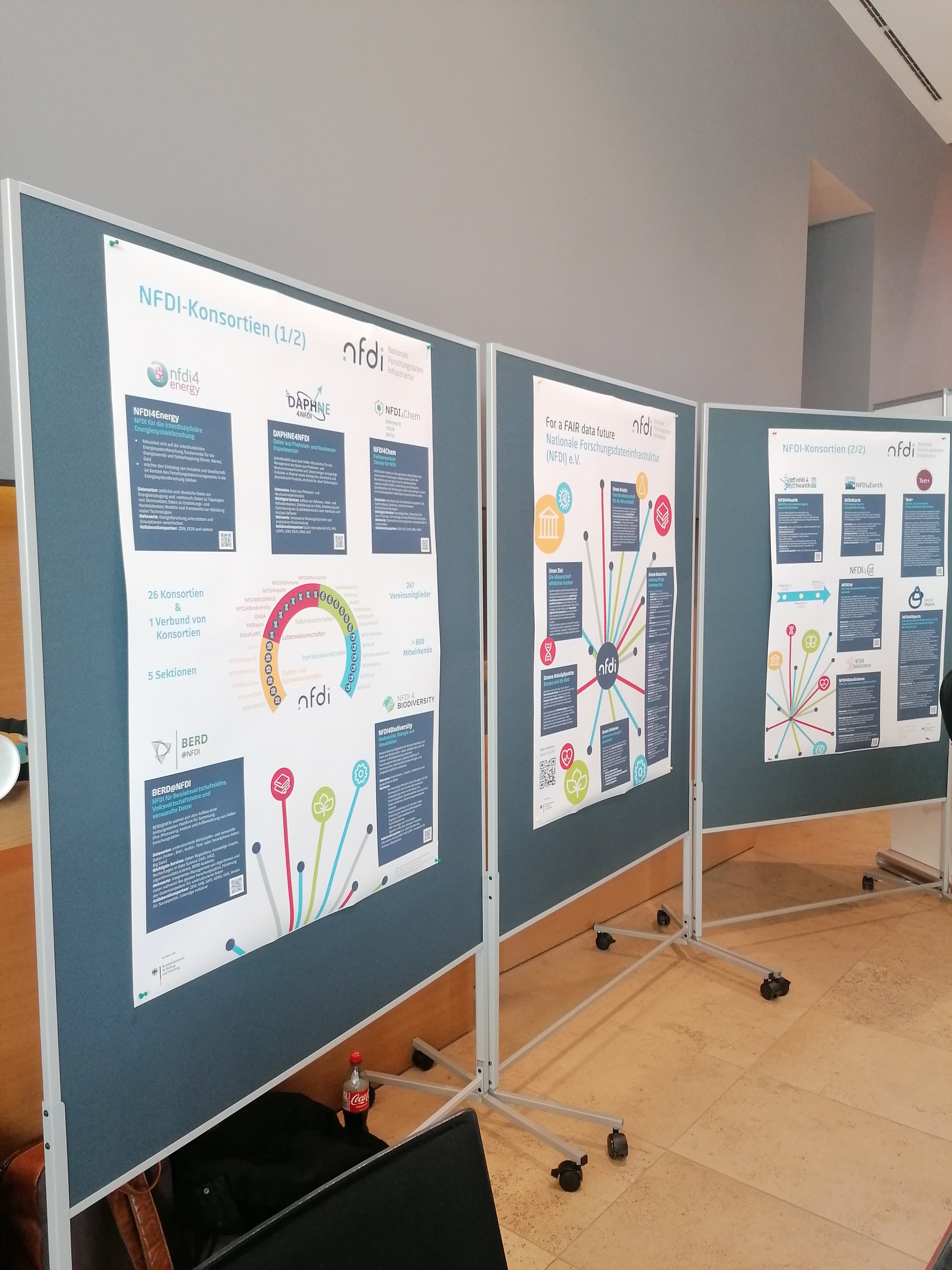
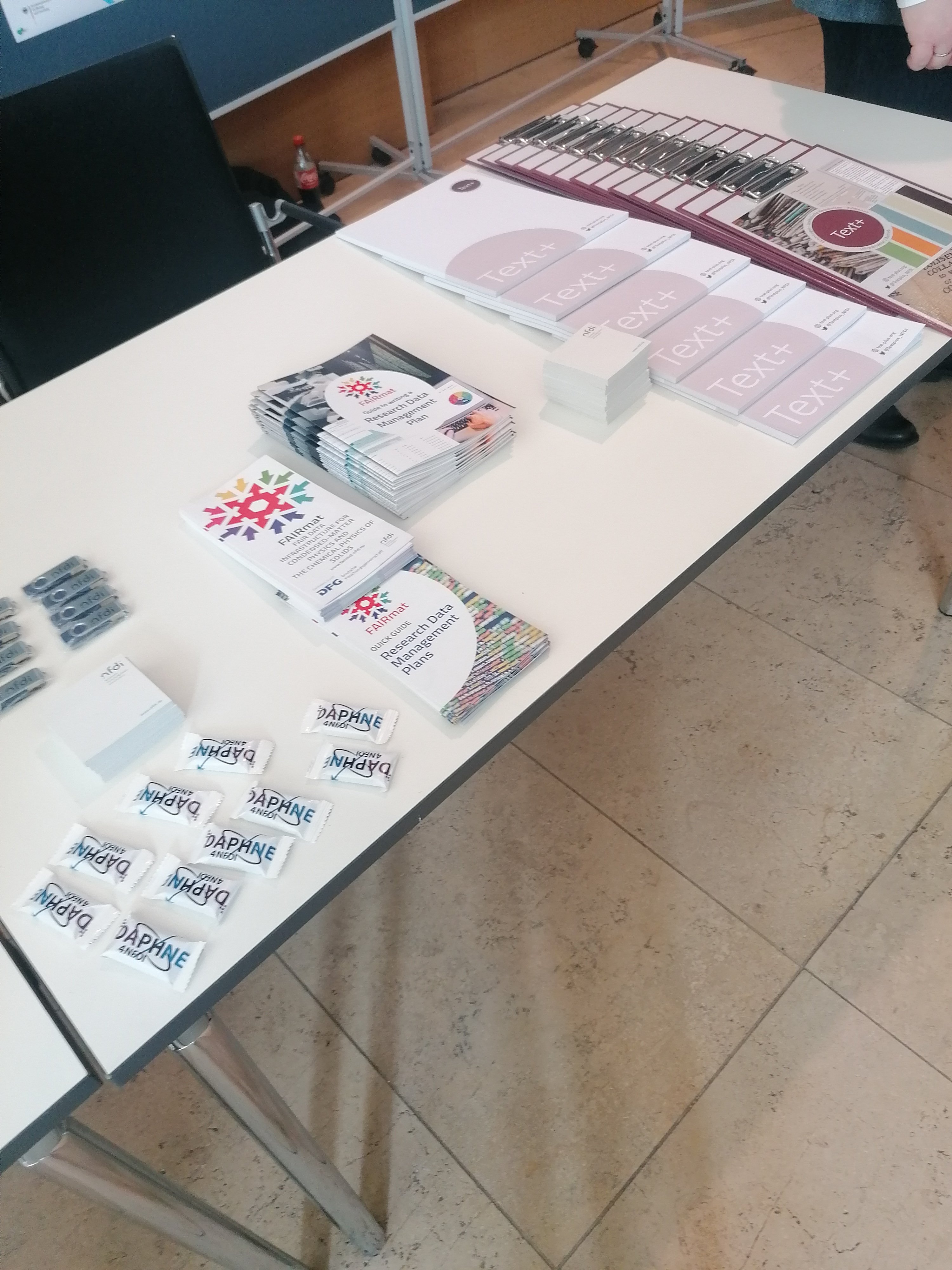
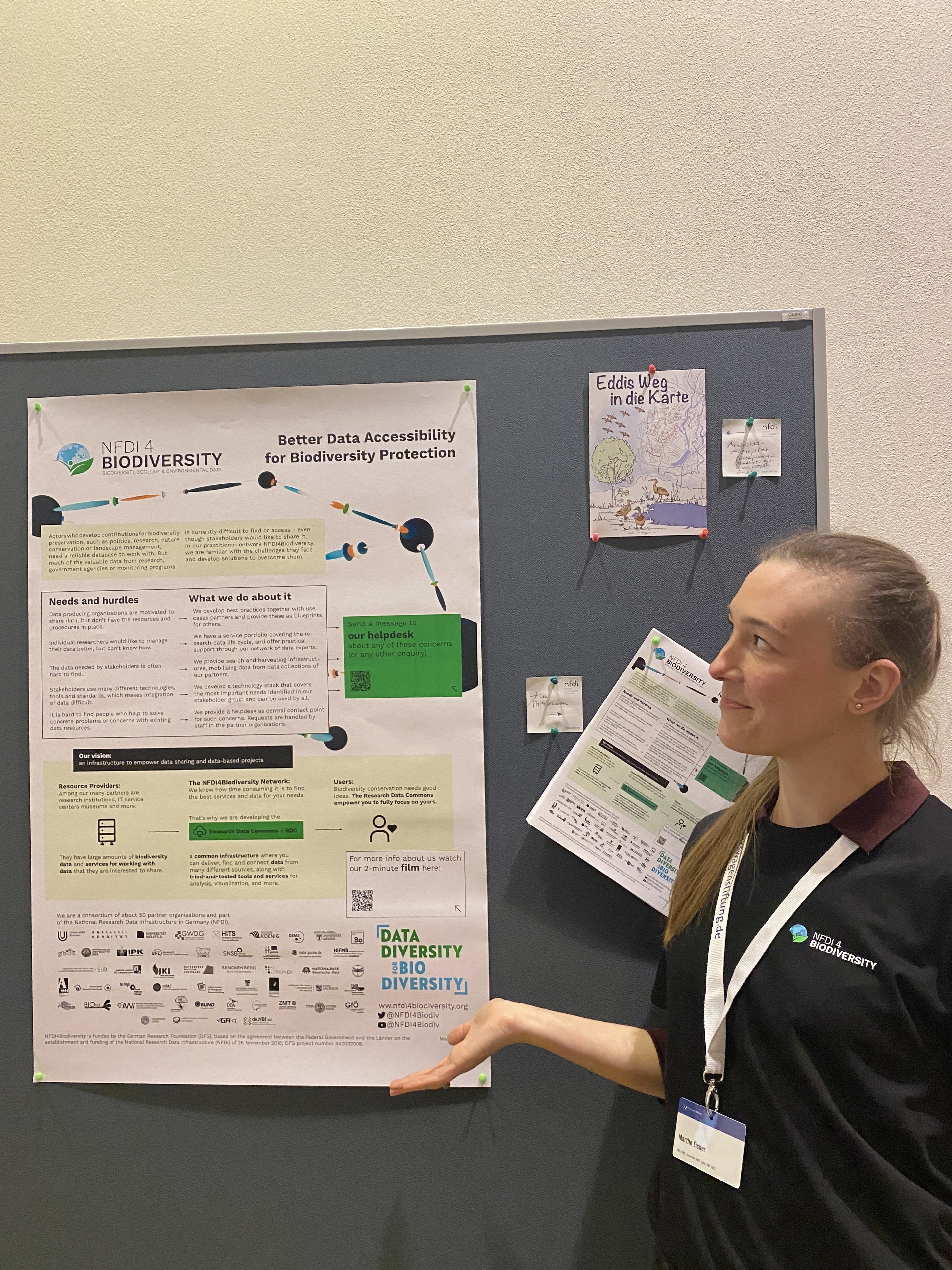
At the invitation of the Volkswagen Foundation and the Council for Information Infrastructures (RfII), around 120 participants from science, politics and research funding gathered in the Xplanatorium at the Herrenhausen Gardens to discuss how the establishment of sustainable research data infrastructures can succeed. The clear focus of the discussion was the National Research Data Infrastructure (NFDI), which was represented with a presentation by Director York Sure-Vetter as well as a large information stand jointly organised by eleven consortia.
"The joke about it is also the staying power," Petra Gehring, chair of the RfII, commented in her introduction to the large-scale NFDI project. Creating sustainable structures for the better availability of (research) data from the disciplines requires time and a permanent exchange within the specialist communities as well as among themselves.
Exchange of experience and networking
The conference offered plenty of opportunities for this: between impressive lectures and discussions, several information stands - in addition to NFDI from NFDI4Biodiversity partner Museum für Naturkunde Berlin and the Federal Agency for Nature Conservation - as well as a poster session offered the opportunity to get into conversation with other visitors.
The joint NFDI information stand, which was very well attended on both days, also attracted a lot of interest. Since most of the visitors were familiar with the NFDI as a project, questions mainly concerned the concrete organisation of the consortia internally or among themselves: How does NFDI4Biodiversity work? Where are the staff members who are known from Zoom conferences? How do the consortia network with each other, with their specialist communities and with other similar initiatives? And above all, what exactly does it mean to "build a data infrastructure"?
Building a data infrastructure, what does that actually mean? – Reading and listening tips
Especially in connection with the latter question, it once again became clear how important it is to make this often seemingly abstract project tangible through concrete examples. This overview presents the so-called NFDI4Biodiversity Use Case projects: concrete projects in which we support data holders in making their exciting wealth of knowledge accessible to a broader user community, including actors from research and politics. One of these use cases is the Society of Ichthyology, which has more than 100,000 data sets on the distribution of all regional species in its fish species atlas; another is the Society of German-Speaking Odonatologists, which has more than two million data points on the occurrence of various dragonfly species.
The recently published episode of the podcast Digitalgespräch with the deputy NFDI4Biodiversity spokesperson Barbara Ebert also offers interesting insights into the development of a platform for research data on biodiversity research. The focus of the exchange is on the multifaceted demands such a project places on all participants and the hurdles that need to be overcome.
We hope you enjoy listening, browsing and discovering!


News
A Long-Term Future for NFDI: Transition to Permane...
BIIGLE4Beginners: A New Online Tutorial for Image ...
Open Data, Shared Responsibility: New Guidance Sho...
Historical Biodiversity Dataset Receives FAIRest D...
CloWM Joins the NFDI4Biodiversity Service Catalog ...
From Three to Six: Biodata Interest Group Publishe...
"Creating knowledge without data is impossible"
NFDI4Biodiversity Flexfunds: Three Projects Show H...
New interface connects official species observatio...