
 Katharina Frohne
Open Data, Shared Responsibility: New Guidance Shows How Biological Databases Can Support Both Research and Fair Benefit-Sharing
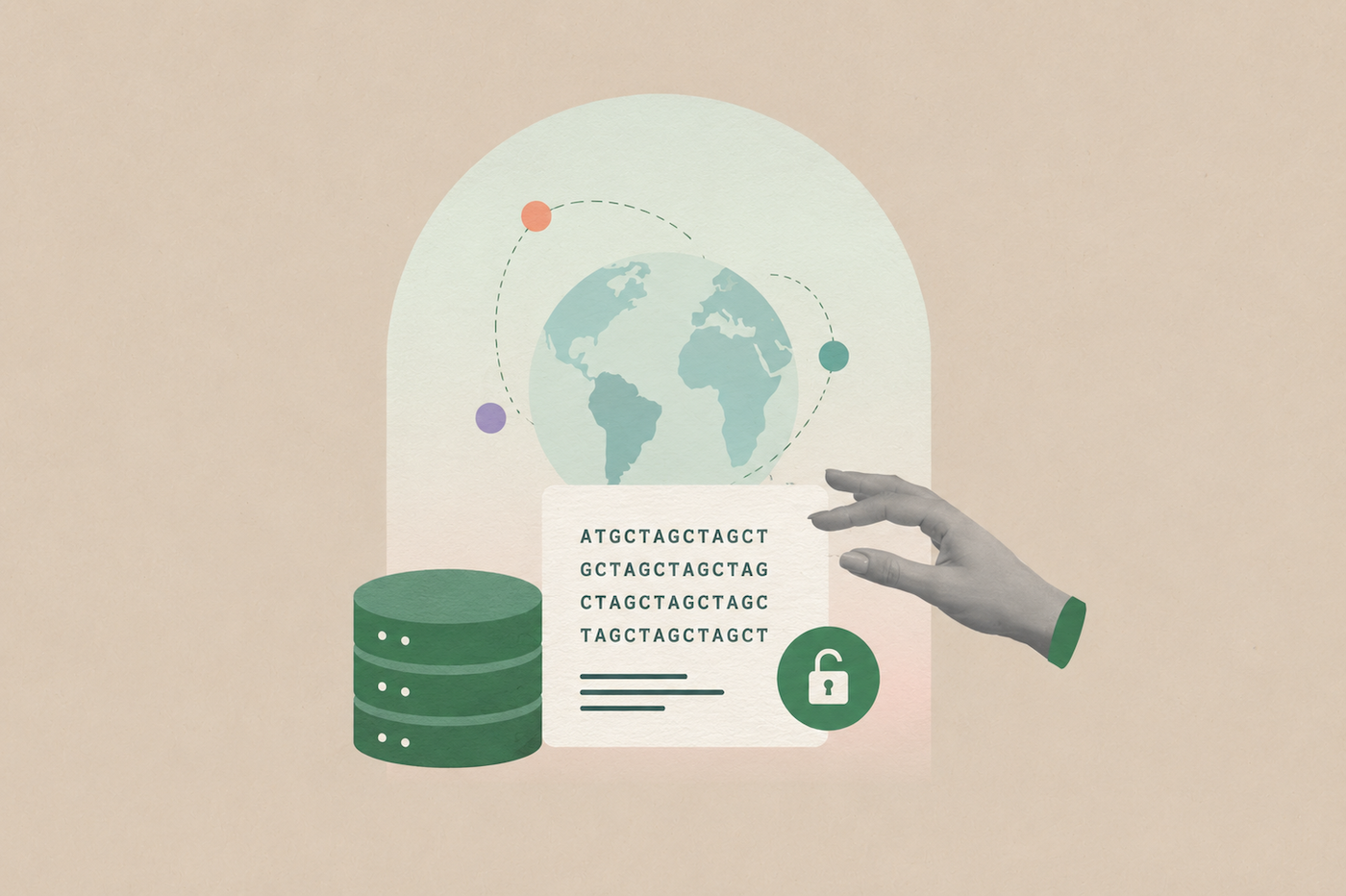
Genetic data are an indispensable foundation of biodiversity research and are used around the world. At the same time, there is growing international recognition that the countries and communities from whose biological resources these data originate should also benefit fairly from their use. A new guidance document demonstrates how biological databases can meet these emerging requirements without compromising the open exchange of scientific data. Three NFDI4Biodiversity partner institutions—DSMZ, GFBio, and IPK—played a leading role in its development.
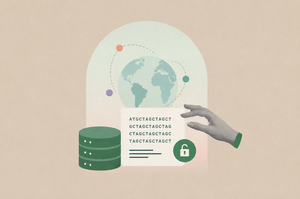
Digital Sequence Information (DSI)—digitally stored information on the genetic material of organisms—has become an essential resource for biodiversity research and many other life sciences. At the same time, it is at the heart of an international debate: How can the free exchange of genetic data be preserved while ensuring that the countries providing the underlying biological resources receive a fair share of the benefits arising from their use?
A new guidance document, published in Scientific Data, provides practical answers. Led by the Leibniz Institute DSMZ (German Collection of Microorganisms and Cell Cultures GmbH) and with substantial support from the Society for Biological Data, the international team of authors outlines how biological databases can implement the requirements of the new multilateral UN mechanism in practice—without restricting open access to scientific data.
Three partner institutions of the NFDI4Biodiversity network, which now comprises around 60 institutions—the Leibniz Institute DSMZ, the German Federation for Biological Data (GFBio), and the Leibniz Institute of Plant Genetics and Crop Plant Research (IPK)—contributed to the publication. Their involvement highlights the consortium's role as an expert forum where complex challenges can be addressed collaboratively in ways that are scientifically robust, technically feasible, and aligned with evolving international policy developments.
Why Digital Sequence Information Is Being Regulated Internationally
The benefit-sharing mechanism adopted at the UN Biodiversity Conference aims to ensure a fairer distribution of both monetary and non-monetary benefits arising from the use of Digital Sequence Information. The rationale is that genetic data enable research and innovation worldwide—from biodiversity science to the development of new medicines. However, the biological resources from which these data are derived often originate in countries other than those where they are subsequently used for scientific or commercial purposes. Under the new mechanism, provider countries, as well as affected Indigenous Peoples and local communities, are intended to receive an equitable share of the resulting benefits. At the same time, open access to biological data remains a fundamental prerequisite for scientific research. The challenge, therefore, is to reconcile scientific openness with equitable benefit-sharing.
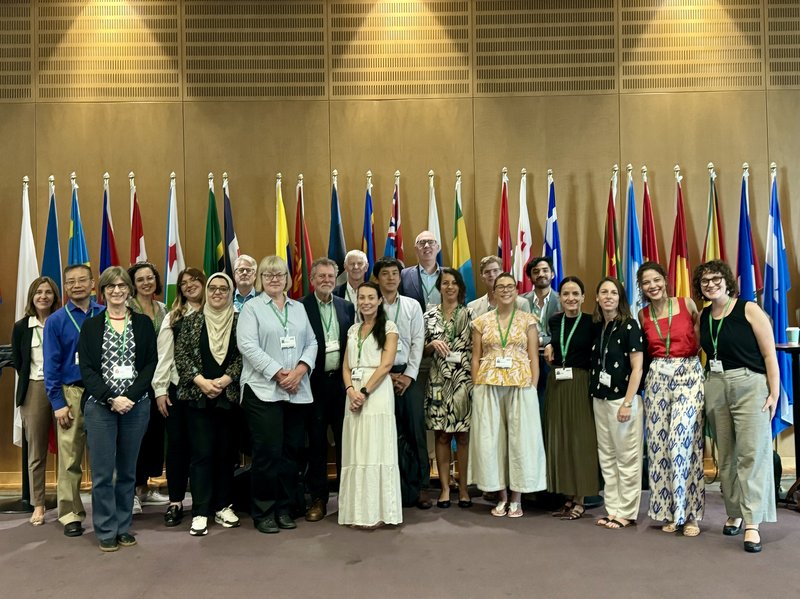
The new guidance demonstrates how this can be achieved. Its recommendations include improved documentation of relevant metadata, transparent information for users of biological databases, and approaches for making non-monetary contributions—such as knowledge transfer, capacity building, and international scientific collaboration—more visible alongside financial benefits. In doing so, it provides database operators with practical guidance on integrating the new international requirements into existing workflows. At the same time, it establishes a shared technical foundation for developing interoperable solutions across different databases. Researchers also stand to benefit: clear and, wherever possible, harmonized procedures increase transparency and help ensure that digital sequence data remain openly, reliably, and responsibly accessible in the future.
"Our strong role in this process is, not least, a result of the strong network we have built through the NFDI in Germany"
Die Publikation entstand in enger Zusammenarbeit von Expert:innen biologischer Datenbanken aus Forschung, Forschungsdatenmanagement sowie internationaler Biodiversitätspolitik. DSMZ und GFBio schufen in einer dreijährigen, gemeinsamen Machbarkeitsstudie wichtige Grundlagen, in dem sie Interviews mit Datenbankmanager:innen, interaktive Workshops mit Wissenschafts- und Policy-Expert:innen führten und Analysen zur aktuellen Praxis der Datenbanknutzung durchführten. Der Leitfaden ist das Ergebnis einer abschließenden Workshop-Reihe, die gemeinsam mit dem internationalen DSI Scientific Network durchgeführt wurde. “Unsere starke Rolle in diesem Prozess ist nicht zuletzt dem starken Netzwerk geschuldet, das wir mit der NFDI in Deutschland geschaffen haben” sagt Barbara Ebert, Geschäftsführerin von GFBio und eine der beiden Projektleiterinnen. “Die in den NFDI-Konsortien vertretenen Betreiber biologischer Datenbanken waren wichtige und engagierte Partner, die entscheidend zum Erfolg der Studie beigetragen haben.”
Frank Oliver Glöckner, spokesperson for NFDI4Biodiversity, adds: "Research data infrastructures do more than provide the foundation for excellent science—they can also help translate international challenges into practical solutions. This new guidance document is a compelling example: it brings together scientific openness and global responsibility while demonstrating the added value that strong networks such as NFDI4Biodiversity can generate by contributing their expertise to international processes."
The work was funded by the Federal Agency for Nature Conservation (BfN) with financial support from the German Federal Ministry for the Environment, Nature Conservation, Building and Nuclear Safety (project number 3522800600).
Further information on the guidance document and its scientific and science policy background is available in the DSMZ press release.
Publication
Raposo, D. S., Faggionato, D., Scholz, A. H. et al. (2026). How can biological databases support the new UN mechanism for benefit-sharing from digital sequence information? Scientific Data. DOI: 10.1038/s41597-026-07725-y, https://www.nature.com/articles/s41597-026-07725-y.



News
From Volunteer Fish Observations to an Internation...
A Long-Term Future for NFDI: Transition to Permane...
BIIGLE4Beginners: A New Online Tutorial for Image ...
Open Data, Shared Responsibility: New Guidance Sho...

Historical Biodiversity Dataset Receives FAIRest D...
CloWM Joins the NFDI4Biodiversity Service Catalog ...
From Three to Six: Biodata Interest Group Publishe...
"Creating knowledge without data is impossible"
NFDI4Biodiversity Flexfunds: Three Projects Show H...